
Ethylparaben is the ester of ethyl alcohol and p-hydroxybenzoic acid.
How much products actually contain
No product states its amount yet.
Of the products containing it, 2 list it before the 1% line and 32 after it (usually 1% or less).
Products using this ingredient
12 of 34 confirmed · likeliest to carry enough first · See all 34
 LACVERTHomme Recharge Emulsion 180ml
 Elizabeth ArdenElizabeth Arden Eight Hour® Cream Intensive Moisturizing Hand Treatment
 It's a 10It's a 10 It's a 10 Miracle Styling Oil Plus Keratin
 It's a 10It's a 10 It's a 10 Silk Express Miracle Smoothing Styling Balm
 It's a 10It's a 10 It's a 10 Potion Miracle Daily Conditioner
 It's a 10It's a 10 It's a 10 Silk Express Miracle Hair Mask
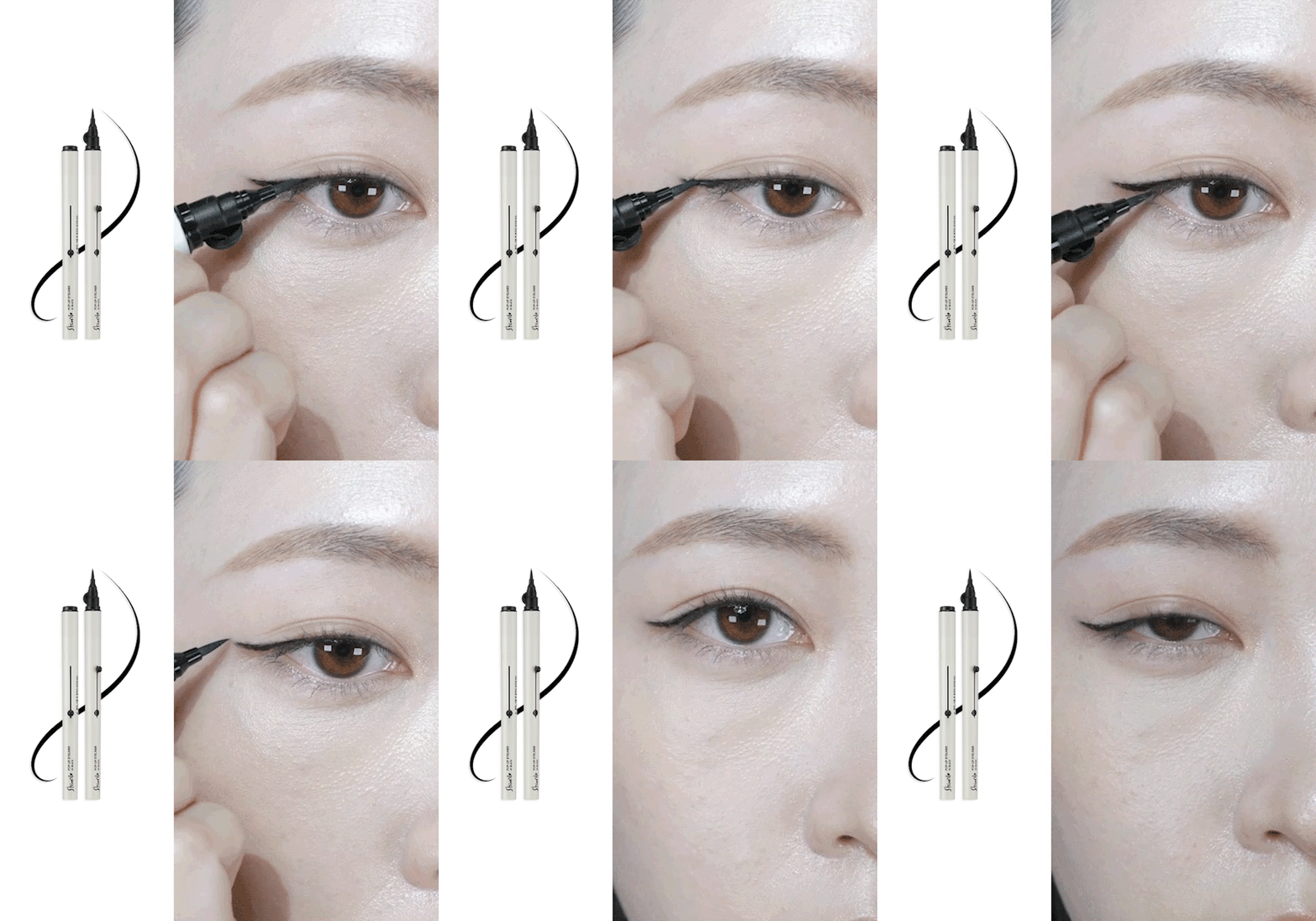 ShionlePop-Up Eyeliner 01 Black
 American CrewAmerican Crew MATTE CLAY
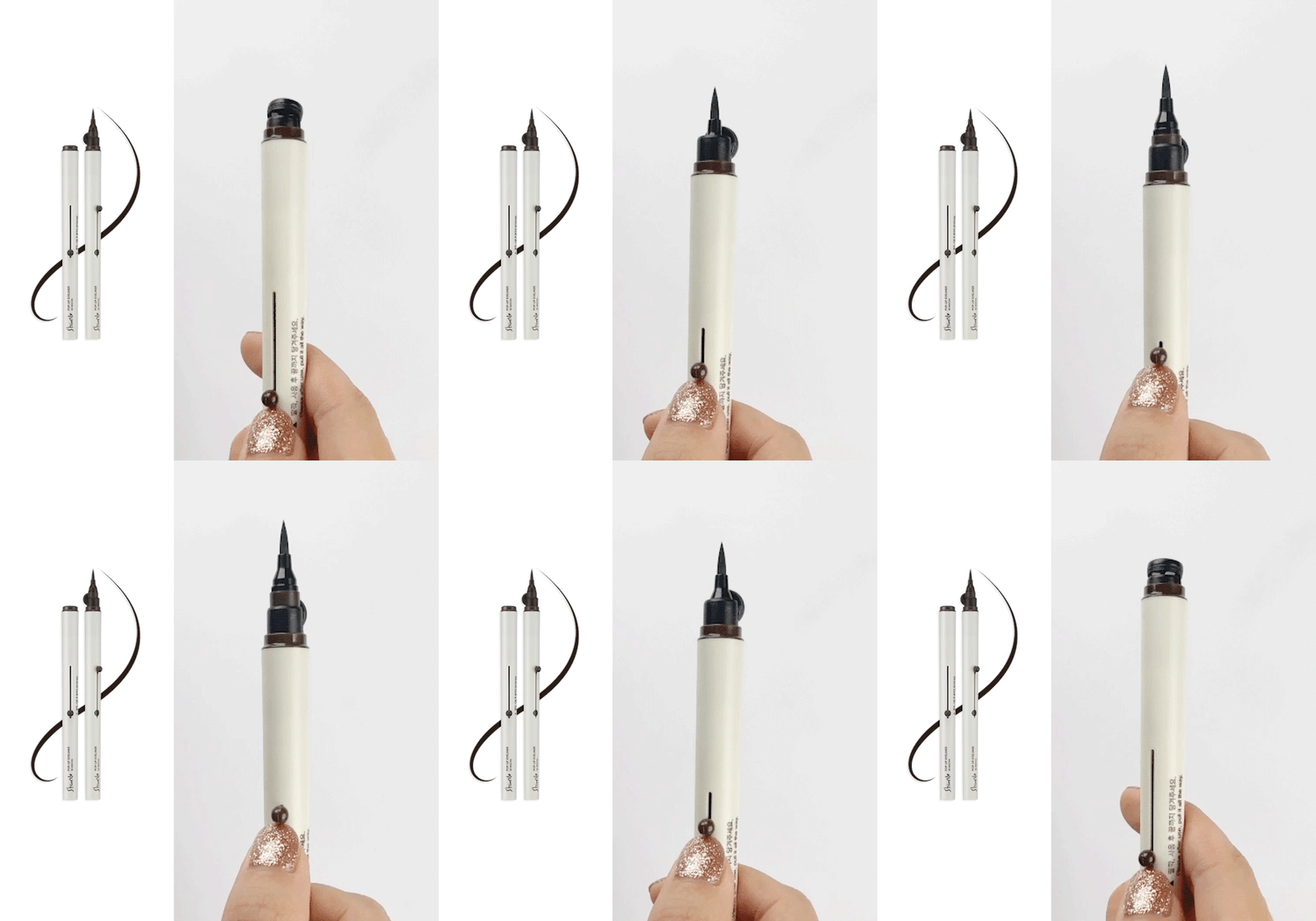 ShionlePop-Up Eyeliner 02 Mocha
 It's a 10It's a 10 It’s a 10 Potion Miracle Hair Mask
 American CrewAmerican Crew PRECISION SHAVE GEL
 It's a 10It's a 10 It's a 10 Miracle Blow Dry Styling Balm
Definition
Ethylparaben is the ester of ethyl alcohol and p-hydroxybenzoic acid. It conforms to the formula:
Ethylparaben is an ethyl ester resulting from the formal condensation of the carboxy group of 4-hydroxybenzoic acid with ethanol. It has a role as an antifungal agent, an antimicrobial food preservative, a plant metabolite and a phytoestrogen. It is an ethyl ester and a paraben.
Source: PubChem
US FDA substance register · UNII 14255EXE39 · registered name Ethylparaben · single chemical substance
Cosmetic roles
Safety & regulatory references
- Restricted
- China · Japan · South Korea
Source: MFDS (Korea) cosmetic regulatory information
Argentina · Brazil
- Maximum concentration permitted at final product : (a) 0,4% (expresso como ácido) para cada substância considerada em forma individual. (b) 0,8% (expresso como ácido) para a soma das concentrações individuais de ácido 4-p-hidroxibenzóico, seus ésteres de metil e etil e seus sais contidos no produto.
- Other limitations and requirements : Prohibit: isopropylparaben, isobutylparaben, fenylparaben, benzylparaben, pentylparaben.
ASEAN
- Maximum authorised concentration in the finished cosmetic product : 0.4% (as acid) for single ester 0.8% (as acid) for mixtures of esters
Taiwan
- (a) 0.4%
- (b) 0.8%
European Union
- Maximum concentration in ready for use preparation : 0,4% (as acid) for single ester 0,8% (as acid) for mixtures of esters
Source: MFDS (Korea) cosmetic regulatory information
Not classified under Korea’s toxic-substance GHS list · existing chemical substance
Restriction V/12 · SCCS opinion: Extended Opinion on the Safety Evaluation of Parabens; Opinion on Parabens; Opinion on Parabens updated request for a scientific opinion on 'propyl-and butylparaben'; Opinion on Parabens, underarm cosmetics and breast cancer
Source: EU CosIng ingredient list
Reviewed by CIR: Amended Safety Assessment of Parabens as Used in Cosmetics
Reviewed by CIR: Final Amended Report on the Safety Assessment of Methylparaben, Ethylparaben, Propylparaben, Isopropylparaben, Butylparaben, Isobutylparaben and Benzylparaben as used in cosmetic products
Reviewed by CIR: Final Report on the Safety Assessment of Methylparaben, Ethylparaben, Propylparaben, and Butylparaben
More data — names, identifiers, properties, test records, literature
Official labels & definitions
JCIA labelling name エチルパラベン: 本品は、パラヒドロキシ安息香酸のエチルエステルであり、次の化学式で表される。
Source: JCIA labelling names (Japan)
Names & identifiers
- CAS No.chemical registry number
- 120-47-8
- EC No.EU chemical inventory number
- 204-399-4
- DTXSIDUS EPA chemical ID
- DTXSID9022528
- DTXCIDUS EPA compound ID
- DTXCID002528
- IUPAC
- Ethyl 4-hydroxybenzoate
- Molecular formula
- C9H10O3
- Molecular weight
- 166.176 g/mol
Measured properties
- Appearance
- Liquid, Other Solid · Almost odourless, small, colourless crystals or a white, crystalline powder
- Odour
- Odorless
- Boiling point
- 297-298 °C (decomposition) · 298.00 °C. @ 760.00 mm Hg
- Melting point
- ofp-hydroxybenzoic acid isolated by acidification and not recrystallised: 213 °C to 217 °C, after vacuum drying in a sulphuric acid desiccator · 117 °C
- Solubility
- In water, 8.85X10+2 mg/L at 25 °C · Solubility in water at 25 °C is 0.075% w/w, at 20 °C. 0.70% w/w
- Stability
- Stable under recommended storage conditions. · Parabens are stable against hydrolysis during autoclaving & resist saponification /Parabens/
- Dissociation constant
- pKa = 8.34
- Colour
- colourless
- Melting/freezing point
- 117 ℃
- Flammability (solid, gas)
- combustible
- Vapour pressure
- 0.0000929 ㎜Hg (@ 25 ℃, est.)
- Water solubility
- 885 ㎎/ℓ (@ 25 ℃)
- Vapour density
- 5.74
- Relative density
- 1.291 (@ 20 ℃)
- n-Octanol/water partition coefficient (Kow)
- 2.47
- Auto-ignition temperature
- 495 ℃
- Decomposition temperature
- (297~298 ℃)
- Molecular weight
- 166.18
Values measured on the substance itself. The KOSHA data are a reference for writing and reviewing safety data sheets, not a specification for a commercial raw material.
Source: PubChem · KOSHA safety data sheets (Korea)
What products actually use it for
What the 24 products reported to the US EPA with this ingredient use it for. Products outside cosmetics are included, so the top few rows are its main uses.
- Preservative19
- Fragrance2
- Processing aids not otherwise specified1
- Food preservative (EPA)1
- Flavouring and nutrient1
Source: US EPA CompTox dashboard
Irritation and sensitisation studies
4 skin studies and 2 eye studies are on record.
The study conclusions largely agree (100%). These tests are on the raw material itself; irritation at the amount in a finished product is a different question.
See all 6 studies
- Not likely to be sensitizing
skin sensitisation: in vivo (non-LLNA) · Screening · equivalent or similar to OECD Guideline 406 (Skin Sensitisation) - Studies Indicate No Significant Irritation
skin irritation: in vivo · Screening · OECD Guideline 404 (Acute Dermal Irritation / Corrosion) equivalent or similar to - Category 6.3B (Category 3)
Skin Irritation · Read Across - Category 6.5B (Category 1)
Skin Sensitization · Read Across - Category 6.4A (Category 2A)
Eye Irritation · Read Across - Studies Indicate No Significant Irritation
eye irritation: in vivo · Screening · OECD Guideline 405 (Acute Eye Irritation / Corrosion) equivalent or similar to
Source: US EPA CompTox dashboard
Related literature
- Application of Graphene as Solid Phase Extraction Absorbent for the Determination of Parabens in Cosmetic Products by Capillary Electrophoresis · 2013
- In vitro reciprocal interactions between yeasts from human cutaneous mycobiota and parabens used in cosmetics. · 2023
- Molecular mechanism of ethylparaben on zebrafish embryo cardiotoxicity based on transcriptome analyses. · 2022
- Toxicity of the cosmetic preservatives parabens, phenoxyethanol and chlorphenesin on human meibomian gland epithelial cells. · 2020
- Trace Level Detection of Bisphenol A Analogues and Parabens by LC-MS/MS in Human Plasma from Malaysians · 2020
Linked databases 22
- Australian Industrial Chemicals Inventory (AICIS)
- ChEBI
- ChEMBL
- China inventory of existing ingredients (IECIC)
- EU CosIng ingredient list 2
- JCIA labelling names (Japan)
- Korea Cosmetic Association ingredient dictionary
- Korea toxic substances GHS register (NIER)
- KOSHA safety data sheets (Korea)
- MFDS (Korea) cosmetic ingredient register 2
- MFDS (Korea) cosmetic regulatory information 2 3
- NIST Chemistry WebBook
- PubChem 2
- Tlooto literature search 2 3 4 5
- UniChem cross-reference IDs
- US Cosmetic Ingredient Review (CIR) 2 3 4
- US EPA CompTox dashboard 2
- US EPA DSSTox chemical database
- US FDA substance registration (GSRS)
- US FDA Unique Ingredient Identifier (UNII)
- Wikidata
- Wikipedia · English