
Succinic acid is an alpha,-dicarboxylic acid resulting from the formal oxidation of each of the terminal methyl groups of butane to the corresponding carboxy group.
How much products actually contain
7 products state the amountmedian 0.5%
- under 0.01% 2
- 0.01–0.1% 0
- 0.1–1% 3
- 1% or more 2
Amounts are mostly stated by products named after the ingredient, so they may lean towards token amounts.
Of the products containing it, 47 list it before the 1% line and 55 after it (usually 1% or less).
Products using this ingredient
12 of 102 confirmed · likeliest to carry enough first · See all 102
 SidmoolJob's Tears Irregularities Spot Cream1% stated
 medicubemedicube Red Succinic Acid Scar Serum1% stated
 medicubemedicube Red Succinic Acid Pad0.5% stated
 EASYDEWAcne Clear Peel0.5% stated
 medicubemedicube Red Acne Succinic Acid Peel0.5% stated
 NEEDLYGlow Peeling Serum
 ILSONo-Trouble Peeling Swab 4g 8 Sheets
 Labo HDandruff Clinic Shampoo 750ml
 Labo HDandruff Clinic Shampoo 333ml
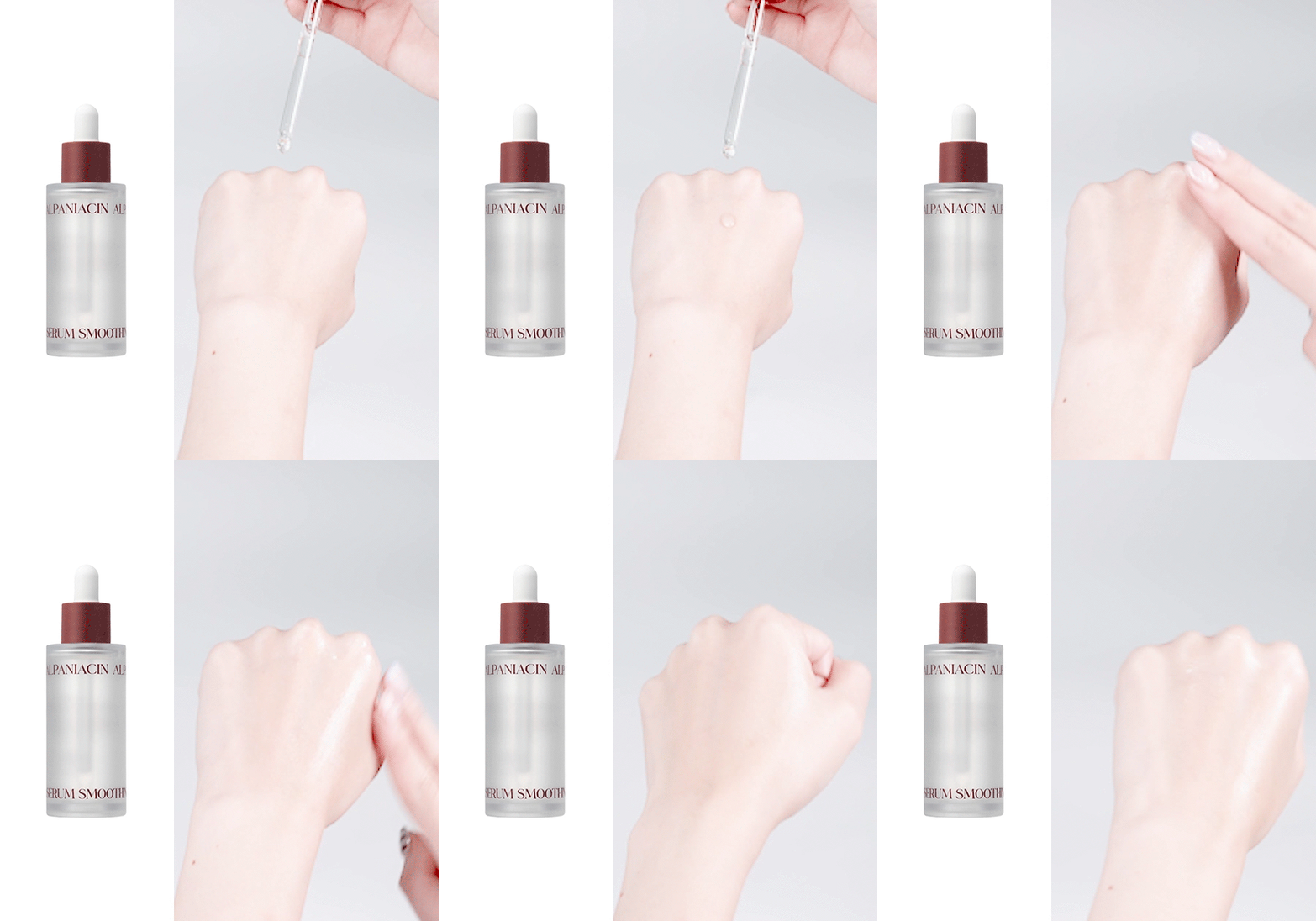 ShionleAlphaniacin Smoothing Serum
 Glow RecipeGlow Recipe Strawberry Smooth BHA+AHA Salicylic Serum
 OclearienCleared Enzyme Cleanser
Definition
Succinic acid is an alpha,-dicarboxylic acid resulting from the formal oxidation of each of the terminal methyl groups of butane to the corresponding carboxy group. It is an intermediate metabolite in the citric acid cycle. It has a role as a micronutrient, an anti-ulcer drug, a nutraceutical, a radiation protective agent and a fundamental metabolite. It is an alpha,omega-dicarboxylic acid and a C4-dicarboxylic acid. It is a conjugate acid of a succinate(1-).
Source: PubChem
US FDA substance register · UNII AB6MNQ6J6L · registered name Succinic Acid · single chemical substance
Cosmetic roles
Safety & regulatory references
Not classified under Korea’s toxic-substance GHS list · existing chemical substance
Other restriction: ban substances that deplete the ozone layer
Source: EU CosIng ingredient list
Reviewed by CIR: Final Report of the Cosmetic Ingredient Review Expert Panel on the Safety Assessment of Dicarboxylic Acids, Salts and Esters
More data — names, identifiers, properties, test records, literature
Official labels & definitions
JCIA labelling name コハク酸: 本品は、次の化学式で表されるジカルボン酸である。
Source: JCIA labelling names (Japan)
Names & identifiers
- CAS No.chemical registry number
- 110-15-6
- EC No.EU chemical inventory number
- 203-740-4
- DTXSIDUS EPA chemical ID
- DTXSID6023602
- DTXCIDUS EPA compound ID
- DTXCID303602
- IUPAC
- Butanedioic acid
- Molecular formula
- C4H6O4
- Molecular weight
- 118.088 g/mol
Measured properties
- Appearance
- Succinic acid appears as white crystals or shiny white odorless crystalline powder. pH of 0.1 molar solution: 2.7. Very acid taste. (NTP, 1992) · Liquid, Other Solid, CBI, Dry Powder
- Odour
- Odorless · odourless
- Boiling point
- 455 °F at 760 mmHg (Decomposes) (NTP, 1992) · 235 dec °C
- Melting point
- 363 to 365 °F (NTP, 1992) · 188 °C
- Solubility
- 5 to 10 mg/mL at 72 °F (NTP, 1992) · 83200 mg/L (at 25 °C)
- Density
- 1.572 at 68 °F (NTP, 1992) - Denser than water, will sink · 1.572 @ 25 °C/4 °C
- pH
- pH = 2.7 (0.1 molar aq soln) · 2.7 ()
- Dissociation constant
- 4.21 (at 25 °C) · pK1 = 4.207, pK2 = 5.635 at 25 °C
- Colour
- white
- Melting/freezing point
- 188 ℃
- Initial boiling point and range
- 235 ℃
- Flash point
- 160 ℃((Open cup))
- Vapour pressure
- 0.000000191 ㎜Hg((25 ℃))
- Water solubility
- 83200 ㎎/ℓ(at 25 C)
- n-Octanol/water partition coefficient (Kow)
- -0.59
- Auto-ignition temperature
- 470 ℃
- Molecular weight
- 118.09
Values measured on the substance itself. The KOSHA data are a reference for writing and reviewing safety data sheets, not a specification for a commercial raw material.
Source: PubChem · KOSHA safety data sheets (Korea)
What products actually use it for
What the 23 products reported to the US EPA with this ingredient use it for. Products outside cosmetics are included, so the top few rows are its main uses.
- pH regulating agent4
- Flavouring and nutrient3
- Fragrance2
- Processing aids not otherwise specified2
- Deodorizer2
- Intermediate2
- Plasticizer1
- Plating agent1
6 other uses
- Monomers1
- Lubricating agent1
- Dispersing agent1
- Propellants, non-motive (blowing agents)1
- Chemical reaction regulator1
- Solvent1
Source: US EPA CompTox dashboard
Irritation and sensitisation studies
4 skin studies and 2 eye studies are on record.
The study conclusions largely agree (100%). These tests are on the raw material itself; irritation at the amount in a finished product is a different question.
See all 6 studies
- Category 6.3B (Category 3)
Skin Irritation · Read Across - Studies Indicate No Significant Irritation
skin irritation: in vivo · Screening · OECD Guideline 404 (Acute Dermal Irritation / Corrosion) according to EU Method B.4 (Acute Toxicity: Dermal Irritation / Corrosion) according to - Not likely to be sensitizing
skin sensitisation: in vivo (non-LLNA) · Screening · according to OECD Guideline 406 (Skin Sensitisation) according to EU Method B.6 (Skin Sensitisation) according to EPA OPPTS 870.2600 (Skin Sensitisation) - Not likely to be sensitizing
skin sensitisation: in vivo (LLNA) · Screening · according to OECD Guideline 429 (Skin Sensitisation: Local Lymph Node Assay) according to EU Method B.42 (Skin Sensitisation: Local Lymph Node Assay) according to EPA OPPTS 870.2600 (Skin Sensitisation) - Corrosive or Irritation Persists for > 21 days
eye irritation: in vivo · Screening · OECD Guideline 405 (Acute Eye Irritation / Corrosion) according to EU Method B.5 (Acute Toxicity: Eye Irritation / Corrosion) according to - Category 6.4A (Category 2A)
Eye Irritation · Read Across
Source: US EPA CompTox dashboard
Related literature
- Succinic Acid in Cosmetics and Aesthetic Dermatology: Biological Roles and Applications · 2026
- Unjustified use of amber necklaces for teething symptoms alleviation: Succinic acid release underperforms compared with natural skin bacteria production. · 2024
- Baltic amber teething necklaces: could succinic acid leaching from beads provide anti-inflammatory effects? · 2019
- One-Pot Synthesis of Poly(glycerol- co-succinic acid) Nanogels for Dermal Delivery. · 2019
- Biobased Oligomeric Esters Comprised of 1,3‐Propanediol, Succinic Acid, and Fatty Acids · 2017
Linked databases 21
- Australian Industrial Chemicals Inventory (AICIS)
- ChEBI
- ChEMBL
- China inventory of existing ingredients (IECIC)
- EU CosIng ingredient list 2
- JCIA labelling names (Japan)
- Korea Cosmetic Association ingredient dictionary
- Korea toxic substances GHS register (NIER)
- KOSHA safety data sheets (Korea)
- MFDS (Korea) cosmetic ingredient register 2
- NIST Chemistry WebBook
- PubChem 2
- Tlooto literature search 2 3 4 5
- UniChem cross-reference IDs
- US Cosmetic Ingredient Review (CIR) 2
- US EPA CompTox dashboard 2
- US EPA DSSTox chemical database
- US FDA substance registration (GSRS)
- US FDA Unique Ingredient Identifier (UNII)
- Wikidata
- Wikipedia · Korean · English · Japanese · Chinese