

Why Does Cheilitis Occur? Why Your Lips Keep Getting Chapped and Cracked, and How to Care for Them
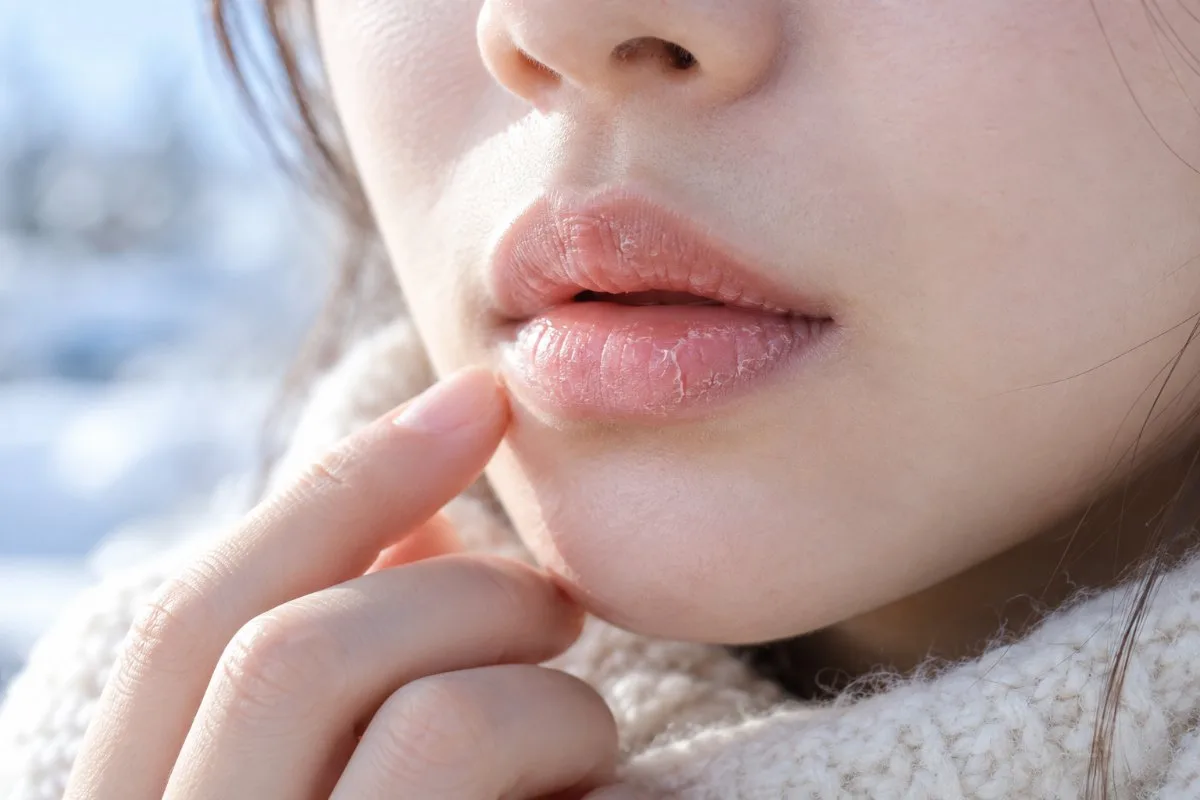
If your lips crack every winter and still sting for days even after applying lip balm, you may have searched for the term “cheilitis” at least once. The name is complicated, but the meaning is simple. It’s a general term for inflammation of the lips.
The problem is that there isn’t just one cause. So people often follow advice like “this is good for cheilitis,” only to find that it lasts even longer.
Common causes of cheilitis
1. Dryness and the habit of licking your lips
This is the most common cause. Lips have almost no sebaceous glands, so they naturally dry out easily. But if you wet them with saliva because they feel dry, the saliva takes even more moisture away as it evaporates. When this happens repeatedly, your lips become chapped and cracked. A red outline may also appear around the lips.
2. Irritation from a new product
Lip balm, lipstick, toothpaste, and even foods you eat every day can sometimes be the cause. If your lips started itching or burning after you began using a new product, consider that product first. Fragrance, menthol, and some preservatives are well-known causes.
3. Sunlight
If you spend a lot of time outdoors or in the sun, your lower lip may become rough and its edges may become less defined. Lips are exposed to UV rays, too.
4. When only the corners of your mouth crack
If only both corners of your mouth split and crack, it may be “angular cheilitis.” Saliva tends to collect in these areas, making it easier for bacteria to grow. It can also be related to nutritional status, dentures, or wearing a mask.
Make sure to distinguish this
If clusters of small blisters appear on your lips or around them, and they tingle before bursting, it may be herpes rather than simple dryness. Lip balm won’t resolve this, so see a doctor first.
Care you can do at home
- Don’t lick your lips. It’s the hardest thing to do, but also the most effective.
- Apply a gentle lip balm often, and apply a thick layer at night. Choose one without fragrance or menthol. It’s even better to apply it right after washing your face, before your lips dry out.
- Don’t pick at flaky skin. Soften it gently with lip balm and let it fall off on its own.
- If you’ve started using a new product, stop using it for a while. This includes toothpaste as well as lip products.
- Protect your lips from the sun when you go out. Lip balm with sun protection or a mask can also help.
- Pay attention to indoor humidity. Use a humidifier during the heating season.
When to see a dermatologist
- If it hasn’t improved after 2~3 weeks of care
- If it repeatedly oozes or develops scabs
- If clusters of blisters appear
- If cracks at the corners of your mouth keep coming back
- If your lip color changes or the edges become less defined
The medication used for cheilitis differs completely depending on the cause. If it lasts a long time, getting medical care is ultimately faster than trying to tough it out on your own.
In short
Cheilitis is one name for several different causes. Most cases start with dryness and habits, but if you have blisters or it lasts a long time, you need medical care rather than lip balm.
※ This article provides general information and is not a substitute for a diagnosis. If your symptoms persist, consult a dermatologist.
#Cheilitis #CrackedLips #SplitLips #DryLips #CausesOfChappedLips #CrackedCornersOfMouth
No comments yet. Be the first.