
Community
Skin, K-beauty, Korea trips and the beauty industry — ask and share
Reading a Korean ingredient list: learn the ordering rule first
Lots of ingredient fans zero in on the first few items, but first it helps to know how Korean INCI lists are ordered. The basics Korean cosmetics must list all ingredients They're generally listed from highest to lowest
0 0The ingredient-lover's trap: is a higher percentage always better?
Many shoppers go straight for the 'X% of ingredient Y' number, and the bigger it is, the more tempting. But that logic is hotly debated. Points that come up a lot Many ingredients have a sensible concentration range; goi
0 0Poll: which Korean ingredient is always in your routine?
If you look at the labels of Korean products reaching Latin America and Spain, some ingredients show up again and again. In Spanish-speaking communities, these are the most mentioned: Centella asiatica (cica): closely li
Poll
Which Korean ingredient is always in your routine?
Pick one to see the results
0 0Same sunscreen, different tube: why a repurchase can feel like a new product
On r/Sunscreenreddit, a user compared two tubes of La Roche-Posay's Anthelios UVMune 400 Invisible Fluid bought in the same year. The first, a French-language tube, was the first sunscreen they felt completely comfortabl
0 0How do you explain "biotech" ingredients to shoppers?
Fermentation, recombinant proteins, cell-culture extracts: supplier catalogs are full of ingredients labeled "biotech" these days. But brand teams say explaining them on a product page is where things get stuck. Why it i
0 0Horse fat in a sheet mask? Why it keeps showing up in J- and K-beauty
Someone in r/AsianBeauty bought a matcha sheet mask at a Japanese discount store, turned it over and found "horse fat" in the ingredient list. The question was simple: does that really mean what it says? What the replies
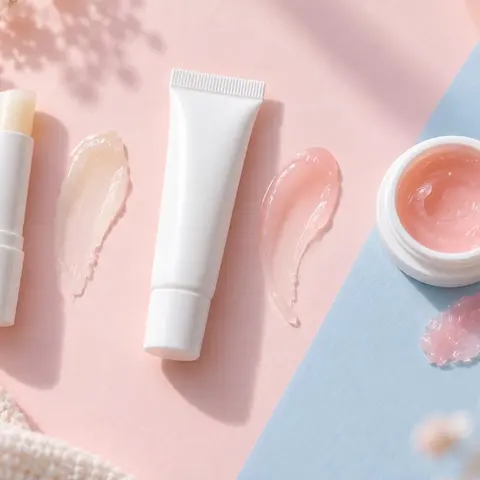
0 0How to Choose a Highly Moisturizing Lip Balm: Check Just Three Things in the Ingredients List
When you stand in front of the lip balm section, they all say “highly moisturizing” or “hydrating.” It’s hard to tell the difference from the claims on the packaging. In that case, turn the box over and check the ingredi
 0 0
Before buying K-beauty, which kind of review do you trust most?
There are more places to hear about products than ever, and more noise. Before ordering, people usually check: Influencer reviews: you see it on skin, but check whether it's sponsored Ingredient breakdowns: show the form
Poll
Which do you trust most before buying?
Pick one to see the results
0 0What exactly is PDRN? What to know before you buy
PDRN keeps popping up in new K-beauty launches and in Japanese rankings, so plenty of people are curious. Here are the basics. What PDRN is Short for polydeoxyribonucleotide. It is a DNA-derived ingredient, and in cosmet
0 0"Soothing" ingredients made you redder? When centella or heartleaf does not agree
Centella (cica), heartleaf, mugwort, propolis: in K-beauty these are practically synonyms for "calming". Yet forums have plenty of posts saying "my soothing cream made me redder." Points that come up often Plant extracts
0 0Why is niacinamide suddenly in everything, even foundation?
A short question on r/Sephora drew dozens of replies: why is niacinamide now in nearly everything, from moisturisers to foundation and blush? What the replies said Many called it a trend: skincare ingredients in makeup s
0 0Retinol at 500 ppb on the front of the pack: marketing or meaningful?
On r/AsianBeauty, someone looked up the ingredient list of viral 'retinol collagen' toner pads and was let down. Water, glycols and glycerin led the list, hydrolysed collagen was declared at 50 ppm (0.005%) and retinol a
0 1A 5,000-won Daiso serum vs a department-store serum: are the ingredients enough?
A recent Korean report describes the Myeongdong Daiso skincare aisle packed not only with tourists but also with men who didn't used to shop for skincare. Prices sit around 1,000–5,000 won, and products made with pharma
0 0Working with overseas creators: where ingredient explanations get lost in translation
When brands collaborate with creators abroad, a surprising number of problems come from translating ingredient and benefit explanations. Korean materials get passed along as-is and end up meaning something quite differen
0 0Rice in K-beauty: rice water, bran, ferment — what's actually different
"Rice" on a label can mean several different ingredients. Here is a quick way to tell them apart. Rice extract / rice water Water-based extracts of the grain. They add light hydration and a soft, smooth feel. Traditional
0 0Retinoids vs peptides: which should an anti-aging beginner start with?
Two names come up in every anti-aging chat: retinoids and peptides. "Which one first?" is a question that never stops appearing in skincare communities. The case for retinoids Many people point out they have the deepest
0 0A 'clean beauty' label lawsuit reopened an old question: what does clean even mean?
A California class action filed in October 2025 claims that some products under Ulta Beauty's Conscious Beauty banner contain ingredients the retailer's own Made Without list excludes, naming parabens and benzophenone. U
0 0The exosome and PDRN skincare craze: where should expectations land?
New skincare launches can hardly skip exosomes or PDRN (salmon DNA) these days. Names that started in dermatology clinics have moved into jars, and interest has exploded. Why the hype Products often borrow the clinic ima
0 0Topical tranexamic acid is everywhere lately. Why?
Over the past few years tranexamic acid has been showing up on more and more ingredient lists for dark spots and uneven tone. "K-beauty tranexamic serum" keeps trending in international communities too. Why the attention
0 0Luxury anti-aging cream vs budget basics: does price track results?
Luxury creams versus drugstore basics: if one costs several times more, does it work several times better? It's a topic that keeps flaring up in communities. "The price gap mostly comes from elsewhere" Many point out tha
0 0