This page is part of Gloshell’s Coupang Partners activity, and Gloshell receives a set commission on purchases made through it.
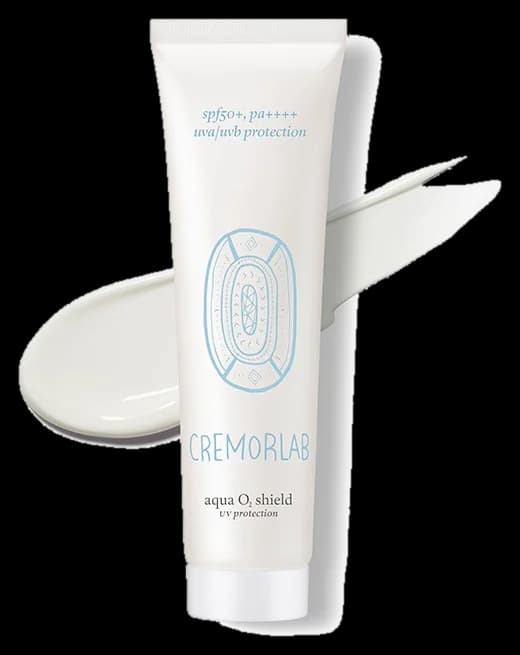

What the ingredients say
Read from the label order, stated amounts and each ingredient’s clinical evidence
Gluconolactone is in, but its place on the label keeps it at 1% or less, short of what studies used.
For a sunscreen, daily use itself has the strongest evidence against spots and lines.
- fragrance
- 3 labelled fragrance allergens
Best-supported ingredient per concern
- DrynessGlycerinevidence B+below study amount
- Skin barrierGlycerinevidence Bbelow study amount
- LinesGluconolactoneevidence Cbelow study amount
- PoresGluconolactoneevidence Cbelow study amount
Evidence-graded ingredients and how much is in
It comes after a preservative the law caps at 1%, so it is at most 1% — short of what studies used (3–10%).
Dryness B+ · Skin barrier B
No amount is stated. Judging by products that state an evidence-graded ingredient at this place on the label, the chance it reaches the amount studies used is about 5%.
Skin barrier B · Dryness B-
It comes after a preservative the law caps at 1%, so it is at most 1% — short of what studies used (4–10%).
Lines C · Dryness C · Pores C
Amounts on the label
- Oxygen0.000016%trace (under 0.1%)
Korean law requires a product to state the amount of any ingredient in its name.
How this was read
Labels list ingredients above 1% from most to least, then those at 1% or less in any order. Everything after Sodium Benzoate, which the law caps at 1% or less, is read as 1% or less. A product filed with Korea's MFDS as functional is read as holding the notified amount of its efficacy ingredient when the label carries only one for that effect, and anything listed before an ingredient of known amount as holding at least that much. Amounts in the product name or official description are used only where the label order allows them. Where no amount is stated, the chance of reaching the study amount comes from other products that state the same ingredient at the same place on their labels. Evidence grades were set by reading each ingredient's studies.
- A
- several randomised trials or a meta-analysis
- B
- one or two randomised trials
- C
- uncontrolled or multi-ingredient studies
- D
- lab work or a record only
A reading of ingredient evidence and the label, not a guarantee that this product works.
Ingredients
Full ingredient list as published on the official product page, in descending order of content.
All 56 ingredients at a glance
Colours follow each ingredient’s use (CosIng functions); the bar counts names. Not amounts, not a safety score.
Aqua, Homosalate, Ethylhexyl Salicylate, Dipropylene Glycol, Methyl Methacrylate Crosspolymer, Butyl Methoxydibenzoylmethane, BIS-Ethylhexyloxyphenol Methoxyphenyl Triazine, Silica, Isoamyl P-Methoxycinnamate, Octocrylene, Onsen-SUI, Oxygen0.16ppm, Gossypium Herbaceum Extract, Rubus Chamaemorus Seed Extract, Cerium Oxide, Platinum, Estimated 1% or less from hereSodium Benzoate, Glycerin, Gluconolactone, Himanthalia Elongata Powder, Laminaria Japonica Extract, Codium Tomentosum Powder, Enteromorpha Compressa Extract, Fucus Vesiculosus Powder, Ecklonia Cava Extract, Gelidium Cartilagineum Extract, Spirulina Maxima Extract, Hizikia Fusiforme Extract, Macrocystis Pyrifera Extract, Plankton Extract, Methoxy PEG/PPG-25/Dimethicone, Arginine Ferulate, BIS-PEG/PPG-20/5 PEG/PPG-20/5 Dimethicone, Caprylic/Capric Triglyceride, Dimethicone, Acrylates/C10-30 Alkyl Acrylate Crosspolymer, Tocopheryl Acetate, Sodium Acrylate/Sodium Acryloyldimethyl Taurate Copolymer, Isohexadecane, Sodium Hydroxide, Polysorbate 80, Butylene Glycol, Betaine, Sorbitan Oleate, Propylene Glycol, Disodium Edta, Phenoxyethanol, Caprylyl Glycol, Ethylhexylglycerin, 1,2-Hexanediol, Parfum, Butylphenyl Methylpropional⁎, Limonene⁎, Linalool⁎, Alpha-Isomethyl Ionone⁎, Citronellol⁎
Tap a name to see what it does and the evidence
Declared fragrance allergens
The label marks these as fragrance allergens that must be declared. They are not impurities, and most people do not react to them.
Butylphenyl Methylpropional · Limonene · Linalool · Alpha-Isomethyl Ionone · Citronellol
How to use
Directions and cautions found on the package or public product information.
- Directions
- 기초케어 마무리 단계에서 자와선에 노출되기 쉬운 얼굴, 목 등에 골고루 펴 바릅니다.
Product details
- Manufacturer
- 코스메카코리아
- Country of manufacture
- 대한민국