
This page is part of Gloshell’s Coupang Partners activity, and Gloshell receives a set commission on purchases made through it.

What the ingredients say
Read from the label order, stated amounts and each ingredient’s clinical evidence
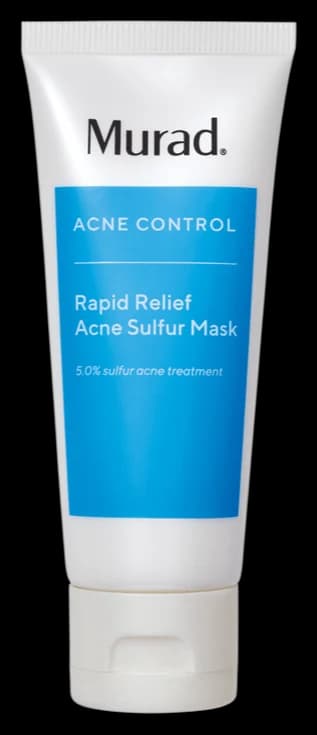
Sulfur, with clinical evidence for blemishes, is in at the amount studies used (5%).
- no fragrance
Best-supported ingredient per concern
- BlemishesSulfurevidence B-5% stated · study amount
- DrynessGlycerinevidence B+likely enough
- Skin barrierGlycerinevidence Blikely enough
- OilinessSulfurevidence C5% stated · study amount
- Dark spotsSalicylic Acidevidence B-59% chance of enough
- PoresSalicylic Acidevidence C59% chance of enough
Evidence-graded ingredients and how much is in
The label states 5% — the amount studies used (3–10% (FDA acne monograph)).
Blemishes B- · Oiliness C
No amount is stated. Judging by products that state an evidence-graded ingredient at this place on the label, the chance it reaches the amount studies used is about 68%.
Dryness B+ · Skin barrier B
No amount is stated. Judging by 8 products that state it at this place on the label, the chance it reaches the amount studies used is about 65%.
Dryness B+ · Skin barrier B · Pores D
No amount is stated. Judging by 13 products that state it at this place on the label, the chance it reaches the amount studies used is about 83%.
Skin barrier B-
No amount is stated. Judging by 55 products that state it at this place on the label, the chance it reaches the amount studies used is about 59%.
Blemishes B · Dark spots B- · Pores C · Oiliness D
2 more evidence-graded ingredients
No amount is stated. Judging by products that state an evidence-graded ingredient at this place on the label, the chance it reaches the amount studies used is about 59%.
Dark spots B-
No amount is stated. Judging by products that state an evidence-graded ingredient at this place on the label, the chance it reaches the amount studies used is about 68%.
Skin barrier D
Amounts on the label
- Sulfurin the name5%1% or more
Korean law requires a product to state the amount of any ingredient in its name.
How this was read
Labels list ingredients above 1% from most to least, then those at 1% or less in any order. Everything after Dehydroacetic Acid, which the law caps at 1% or less, is read as 1% or less. A product filed with Korea's MFDS as functional is read as holding the notified amount of its efficacy ingredient when the label carries only one for that effect, and anything listed before an ingredient of known amount as holding at least that much. Amounts in the product name or official description are used only where the label order allows them. Where no amount is stated, the chance of reaching the study amount comes from other products that state the same ingredient at the same place on their labels. Evidence grades were set by reading each ingredient's studies.
- A
- several randomised trials or a meta-analysis
- B
- one or two randomised trials
- C
- uncontrolled or multi-ingredient studies
- D
- lab work or a record only
A reading of ingredient evidence and the label, not a guarantee that this product works.
Ingredients
Full ingredient list as published on the official product page, in descending order of content.
All 35 ingredients at a glance
Colours follow each ingredient’s use (CosIng functions); the bar counts names. Not amounts, not a safety score.
Sulfur5.0%, Water (Aqua), Kaolin, Isopentyldiol, Bentonite, Peat Extract, CI 77947, Propanediol, Glycerin, Cetearyl Alcohol, Cetyl Alcohol, Cetyl Ricinoleate, Glyceryl Stearate SE, Urea, Yeast Amino Acids, Trehalose, Inositol, Taurine, Betaine, Allantoin, Salicylic Acid, Dipotassium Glycyrrhizate, Zingiber Officinale (Ginger) Root Extract, Bisabolol, Eucalyptus Globulus Leaf OIL, Hydroxyacetophenone, Estimated 1% or less from hereEthylhexylglycerin, Coco-Glucoside, Acacia Senegal GUM, Xanthan GUM, Carbomer, Tetrasodium Glutamate Diacetate, Citric Acid, Dehydroacetic Acid, Chlorphenesin
Tap a name to see what it does and the evidence
