
This page is part of Gloshell’s Coupang Partners activity, and Gloshell receives a set commission on purchases made through it.
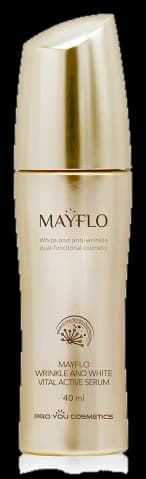

What the ingredients say
Read from the label order, stated amounts and each ingredient’s clinical evidence
Sodium Hyaluronate, with clinical evidence for dryness, is in at 2% or more (listed before an ingredient whose amount is known).
Niacinamide, with clinical evidence for dark spots, is in at the MFDS notified amount for brightening (2–5%).
- no fragrance
MFDS functional cosmetic filing
Filed with Korea's MFDS as a brightening·wrinkle care functional cosmetic (2025-05). Its efficacy ingredient and amount are those the MFDS notice names.
Best-supported ingredient per concern
- DrynessSodium Hyaluronateevidence Bat least 2% · study amount
- Dark spotsNiacinamideevidence BMFDS brightening amount
- LinesAdenosineevidence B-MFDS wrinkle care amount
- Skin barrierNiacinamideevidence B-MFDS brightening amount
- OilinessNiacinamideevidence B-MFDS brightening amount
- BlemishesNiacinamideevidence B-MFDS brightening amount
Evidence-graded ingredients and how much is in
Listed before an ingredient whose amount is known, so it holds at least 2% — at or above what studies used (0.1–2%).
Dryness B · Lines D
Filed with Korea's MFDS as a brightening functional cosmetic, so it holds the notified amount (2–5%).
Dark spots B · Oiliness B- · Skin barrier B- · Blemishes B- · Pores C · Lines C
Filed with Korea's MFDS as a wrinkle care functional cosmetic, so it holds the notified amount (0.04%).
Lines B-
No amount is stated. Judging by products that state an evidence-graded ingredient at this place on the label, the chance it reaches the amount studies used is about 68%.
Dryness B+ · Skin barrier B
No amount is stated. Judging by 17 products that state it at this place on the label, the chance it reaches the amount studies used is about 86%.
Dryness C
7 more evidence-graded ingredients
No amount is stated. Judging by 85 products that state it at this place on the label, the chance it reaches the amount studies used is about 11%.
Skin barrier B+ · Dryness C
No amount is stated, and studies name no single amount. It sits after the 1% line (usually 1% or less).
Skin barrier B · Dryness B
It comes after a preservative the law caps at 1.9%, so it is at most 1.9% — short of what studies used (≤2%).
Dark spots B-
No amount is stated, and studies name no single amount. It sits after the 1% line (usually 1% or less).
Dryness C · Skin barrier D
It comes after a preservative the law caps at 1.8%, so it is at most 1.8% — short of what studies used (3%).
Dark spots C
No amount is stated, and studies name no single amount. It sits after the 1% line (usually 1% or less).
Lines D
No amount is stated. Judging by products that state an evidence-graded ingredient at this place on the label, the chance it reaches the amount studies used is about 5%.
Skin barrier D
How this was read
Labels list ingredients above 1% from most to least, then those at 1% or less in any order. A product filed with Korea's MFDS as functional is read as holding the notified amount of its efficacy ingredient when the label carries only one for that effect, and anything listed before an ingredient of known amount as holding at least that much. Amounts in the product name or official description are used only where the label order allows them. Where no amount is stated, the chance of reaching the study amount comes from other products that state the same ingredient at the same place on their labels. Evidence grades were set by reading each ingredient's studies.
- A
- several randomised trials or a meta-analysis
- B
- one or two randomised trials
- C
- uncontrolled or multi-ingredient studies
- D
- lab work or a record only
A reading of ingredient evidence and the label, not a guarantee that this product works.
Ingredients
Full ingredient list as published on the official product page, in descending order of content.
All 67 ingredients at a glance
Colours follow each ingredient’s use (CosIng functions); the bar counts names. Not amounts, not a safety score.
Aqua, Rosa Centifolia Flower, Sodium Hyaluronate, Propylene Glycol, Butylene Glycol, Glycerin, Niacinamide, Caprylic/Capric Triglyceride, Squalane, PEG-2 Hydrogenated Castor OIL, Hydrogenated Lecithin, Estimated 1% or less from hereXanthan GUM, 1,2-Hexanediol, Alcohol, Ceramide NP, Glyceryl Stearate SE, Arachidyl Glucoside, Phospholipids, Maltodextrin, Pyridoxine HCL, Calcium Pantothenate, Cholesterol, Stearic Acid, Natto GUM, Polyacrylamide, C13-14 Isoparaffin, Laureth-7, Polyquaternium-51, Ubiquinone, Centella Asiatica Extract, Chamomilla Recutita (Matricaria) Flower Extract, Glycyrrhiza Glabra (Licorice) Root Extract, Camellia Sinensis Leaf, Polygonum Cuspidatum Root Extract, Rosmarinus Officinalis (Rosemary) Leaf Extract, Scutellaria Baicalensis Extract, Panthenol, Acetyl Hexapeptide-8, Punica Granatum Fruit Extract, Ficus Carica (Fig) Fruit Extract, Codonopsis Lanceolata Root Extract, Arginine, Carbomer, Tocopheryl Acetate, Canavalia Gladiata Fruit Extract, SH-Oligopeptide-1, Dipotassium Glycyrrhizate, Allantoin, Adenosine, Disodium Edta, Neofinetia Falcata Callus Culture Extract, Alpha-Arbutin, Morus Alba Fruit Extract, Ginkgo Biloba Leaf, Magnesium Ascorbyl Phosphate, Cimicifuga Racemosa Root, Polygonum Multiflorum Root Extract, Sesamum Indicum (Sesame) Seed Extract, Phellinus Linteus Extract, Angelica Gigas Root Extract, Morus Alba Bark Extract, Paeonia Lactiflora Root Extract, Sophora Angustifolia Root Extract, Lavandula Angustifolia (Lavender) Extract, Rosmarinus Officinalis (Rosemary) Extract, Origanum Vulgare OIL, Thymus Vulgaris OIL
Tap a name to see what it does and the evidence