
This page is part of Gloshell’s Coupang Partners activity, and Gloshell receives a set commission on purchases made through it.
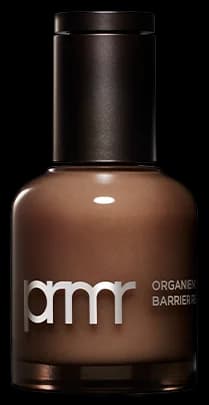

Primera Organience Barrier Repair Seed Peptide Reserve Serum

What the ingredients say
Read from the label order, stated amounts and each ingredient’s clinical evidence
Glycerin, a basic moisturising ingredient, is there in a good amount.
Adenosine is in, but the amount cannot be told.
- 5 essential oils
- 4 labelled fragrance allergens
MFDS functional cosmetic filing
Filed with Korea's MFDS as a functional cosmetic (2023-05). The same efficacy ingredients and amounts as a product the MFDS already reviewed.
Best-supported ingredient per concern
- DrynessGlycerinevidence B+likely enough
- Skin barrierGlycerinevidence Blikely enough
- LinesAdenosineevidence B-50% chance of enough
Evidence-graded ingredients and how much is in
No amount is stated. Judging by products that state an evidence-graded ingredient at this place on the label, the chance it reaches the amount studies used is about 68%.
Dryness B+ · Skin barrier B
No amount is stated. Judging by 7 products that state it at this place on the label, the chance it reaches the amount studies used is about 50%.
Lines B-
No amount is stated. Judging by 175 products that state it at this place on the label, the chance it reaches the amount studies used is about 12%.
Dryness B · Lines D
No amount is stated, and studies name no single amount. It sits after the 1% line (usually 1% or less).
Skin barrier B · Dryness B
No amount is stated, and studies name no single amount. It sits after the 1% line (usually 1% or less).
Dryness C · Skin barrier D
6 more evidence-graded ingredients
No amount is stated. Judging by products that state an evidence-graded ingredient at this place on the label, the chance it reaches the amount studies used is about 4%.
Dryness C
No amount is stated. Judging by 148 products that state it at this place on the label, the chance it reaches the amount studies used is about 3%.
Skin barrier C · Lines D
No amount is stated. Judging by products that state an evidence-graded ingredient at this place on the label, the chance it reaches the amount studies used is about 5%.
Skin barrier D
No amount is stated. Judging by 89 products that state it at this place on the label, the chance it reaches the amount studies used is about 3%.
Lines D · Firmness D
No amount is stated. Judging by 140 products that state it at this place on the label, the chance it reaches the amount studies used is about 0%.
Dryness B · Lines D
No amount is stated. Judging by 80 products that state it at this place on the label, the chance it reaches the amount studies used is about 0%.
Lines D
How this was read
Labels list ingredients above 1% from most to least, then those at 1% or less in any order. A product filed with Korea's MFDS as functional is read as holding the notified amount of its efficacy ingredient when the label carries only one for that effect, and anything listed before an ingredient of known amount as holding at least that much. Amounts in the product name or official description are used only where the label order allows them. Where no amount is stated, the chance of reaching the study amount comes from other products that state the same ingredient at the same place on their labels. Evidence grades were set by reading each ingredient's studies.
- A
- several randomised trials or a meta-analysis
- B
- one or two randomised trials
- C
- uncontrolled or multi-ingredient studies
- D
- lab work or a record only
A reading of ingredient evidence and the label, not a guarantee that this product works.
Ingredients
Full ingredient list as published on the official product page, in descending order of content.
All 61 ingredients at a glance
Colours follow each ingredient’s use (CosIng functions); the bar counts names. Not amounts, not a safety score.
Aqua, Glycerin, Propanediol, Hydrogenated POLY(C6-14 OLEFIN), 1,2-Hexanediol, Caprylic/Capric Triglyceride, Lactobacillus Ferment Lysate, Butylene Glycol, Hydrogenated Lecithin, Estimated 1% or less from hereCarbomer, Ethylhexylglycerin, Hydroxyethyl Acrylate/Sodium Acryloyldimethyl Taurate Copolymer, Tromethamine, Limonene⁎, Sodium Polyacrylate, Cholesterol, Adenosine, Dipotassium Glycyrrhizate, Allantoin, Caprylyl Glycol, Dextrin, Theobroma Cacao (Cocoa) Extract, Hyaluronic Acid, Madecassoside, Polymethylsilsesquioxane, Sodium Methyl Stearoyl Taurate, Glycine MAX Polypeptide, Mannitol, Geraniol⁎, Tocotrienols, Sorbitan Isostearate, Citrus Nobilis Water, Beta-Glucan, Pogostemon Cablin OIL, Tocopherol, Citrus Aurantium Bergamia Fruit OIL, Linalool⁎, Glycine Soja (Soybean) Oil, Citronellol⁎, Chamomilla Recutita (Matricaria) Flower Oil, Pelargonium Graveolens Flower OIL, Cymbopogon Martini OIL, Elaeis Guineensis (Palm) Oil, Lavandula Angustifolia OIL, Citrus Aurantium Dulcis Peel Extract, Ricinus Communis Seed OIL, Ceramide NP, Sodium Hyaluronate, Rosmarinus Officinalis Leaf OIL, Hydrogenated Phosphatidylcholine, Phytosphingosine, Copper Tripeptide-1, Hydrolyzed Hyaluronic Acid, Acetyl Tetrapeptide-2, Rosa Damascena Flower OIL, Sodium Hyaluronate Crosspolymer, Acetyl Tetrapeptide-5, Acetyl Tetrapeptide-11, Canola OIL, Rosmarinus Officinalis (Rosemary) Leaf Extract, Sodium Acetylated Hyaluronate
Tap a name to see what it does and the evidence
Declared fragrance allergens
The label marks these as fragrance allergens that must be declared. They are not impurities, and most people do not react to them.
Limonene · Geraniol · Linalool · Citronellol