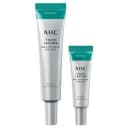
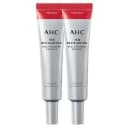
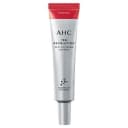
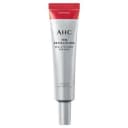
This page is part of Gloshell’s Coupang Partners activity, and Gloshell receives a set commission on purchases made through it.
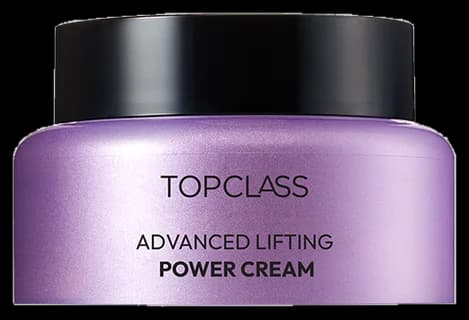

What the ingredients say
Read from the label order, stated amounts and each ingredient’s clinical evidence
Niacinamide, with clinical evidence for dark spots·oiliness, is in at the MFDS notified amount for brightening (2–5%).
Adenosine, with clinical evidence for lines, is in at the MFDS notified amount for wrinkle care (0.04%).
- fragrance
MFDS functional cosmetic filing
Filed with Korea's MFDS as a brightening·wrinkle care functional cosmetic (2024-12). Its efficacy ingredient and amount are those the MFDS notice names.
Best-supported ingredient per concern
- Skin barrierDimethiconeevidence Bat least 2% · study amount
- Dark spotsNiacinamideevidence BMFDS brightening amount
- DrynessDimethiconeevidence B-at least 2% · study amount
- OilinessNiacinamideevidence B-MFDS brightening amount
- BlemishesNiacinamideevidence B-MFDS brightening amount
- LinesAdenosineevidence B-MFDS wrinkle care amount
Evidence-graded ingredients and how much is in
Listed before an ingredient whose amount is known, so it holds at least 2% — at or above what studies used (1–30% (FDA skin protectant monograph)).
Skin barrier B · Dryness B-
Filed with Korea's MFDS as a brightening functional cosmetic, so it holds the notified amount (2–5%).
Dark spots B · Oiliness B- · Skin barrier B- · Blemishes B- · Pores C · Lines C
Filed with Korea's MFDS as a wrinkle care functional cosmetic, so it holds the notified amount (0.04%).
Lines B-
No amount is stated. Judging by products that state an evidence-graded ingredient at this place on the label, the chance it reaches the amount studies used is about 68%.
Dryness B+ · Skin barrier B
No amount is stated. Judging by 155 products that state it at this place on the label, the chance it reaches the amount studies used is about 59%.
Skin barrier B+ · Dryness C
6 more evidence-graded ingredients
No amount is stated. Judging by 175 products that state it at this place on the label, the chance it reaches the amount studies used is about 12%.
Dryness B · Lines D
No amount is stated, and studies name no single amount. It sits after the 1% line (usually 1% or less).
Skin barrier B · Dryness B
No amount is stated, and studies name no single amount. It sits after the 1% line (usually 1% or less).
Dryness C · Skin barrier D
No amount is stated. Judging by products that state an evidence-graded ingredient at this place on the label, the chance it reaches the amount studies used is about 5%.
Skin barrier D
No amount is stated. Judging by 80 products that state it at this place on the label, the chance it reaches the amount studies used is about 0%.
Lines D
No amount is stated. Judging by 140 products that state it at this place on the label, the chance it reaches the amount studies used is about 0%.
Dryness B · Lines D
How this was read
Labels list ingredients above 1% from most to least, then those at 1% or less in any order. Everything after Phenoxyethanol, which the law caps at 1% or less, is read as 1% or less. A product filed with Korea's MFDS as functional is read as holding the notified amount of its efficacy ingredient when the label carries only one for that effect, and anything listed before an ingredient of known amount as holding at least that much. Amounts in the product name or official description are used only where the label order allows them. Where no amount is stated, the chance of reaching the study amount comes from other products that state the same ingredient at the same place on their labels. Evidence grades were set by reading each ingredient's studies.
- A
- several randomised trials or a meta-analysis
- B
- one or two randomised trials
- C
- uncontrolled or multi-ingredient studies
- D
- lab work or a record only
A reading of ingredient evidence and the label, not a guarantee that this product works.
Ingredients
Full ingredient list as published on the official product page, in descending order of content.
All 81 ingredients at a glance
Colours follow each ingredient’s use (CosIng functions); the bar counts names. Not amounts, not a safety score.
Aqua, Glycerin, Dipropylene Glycol, Cetearyl Alcohol, Butyrospermum Parkii Butter, Cetyl Ethylhexanoate, Caprylic/Capric Triglyceride, Dimethicone, Niacinamide, Cetearyl Olivate, Hydrogenated Polydecene, Sorbitan Olivate, Butylene Glycol, Panthenol, PEG-240/HDI Copolymer BIS-Decyltetradeceth-20 Ether, Polyacrylate-13, Estimated 1% or less from herePhenoxyethanol, Glyceryl Caprylate, Parfum, Polyisobutene, Allantoin, Adenosine, Polysorbate 20, Citric Acid, Sorbitan Isostearate, Disodium Edta, Pentaerythrityl Tetra-DI-T-Butyl Hydroxyhydrocinnamate, Hydrolyzed Collagen, Yeast/Rubus Coreanus Fruit Ferment Filtrate, Dodecenyl Oleylsuccinamide, Candida Bombicola/Glucose/Methyl Rapeseedate Ferment, Tocopherol, Potassium Laurate, Silica, Pyrus Malus (Apple) Fruit Extract, Fragaria Ananassa (Strawberry) Fruit Extract, Sambucus Nigra Fruit Extract, Sodium Hyaluronate, Helianthus Annuus Seed OIL, 1,2-Hexanediol, Propanediol, Hydrogenated Lecithin, Ascorbyl Tocopheryl Acetate, Pullulan, Cellulose, Sucrose Palmitate, Alcohol, Stearyl Alcohol, Macadamia Ternifolia Seed OIL, Nelumbo Nucifera Leaf Extract, Polysorbate 80, Stearic Acid, PEG-15 Glyceryl Isostearate, Glyceryl Stearate, Cholesterol, Ceramide NP, 2-올레아미도-1, 3,4-옥타데카트라이일프롤리네이트, Benzyl Glycol, Lactobacillus/Soymilk Ferment Filtrate, Lactobacillus/RYE Flour Ferment, Hydrolyzed Glycosaminoglycans, Saururus Chinensis Extract, Orostachys Japonica Extract, Cetyl Alcohol, Melia Azadirachta Flower Extract, Ocimum Sanctum Leaf Powder, Agar, Melia Azadirachta Leaf Extract, Diospyros Kaki Leaf Extract, Ethylhexylglycerin, Phytosphingosine, Curcuma Longa Root, Sodium Hyaluronate Crosspolymer, Corallina Officinalis Powder, Hydrolyzed Hyaluronic Acid, Raspberry Ketone, Hydroxypropyltrimonium Hyaluronate, Artemisia Gmelinii Extract, Hyaluronic Acid, Sodium Acetylated Hyaluronate
Tap a name to see what it does and the evidence
Product details
- Manufacturer
- (주)참존
- Responsible distributor
- (주)참존