
This page is part of Gloshell’s Coupang Partners activity, and Gloshell receives a set commission on purchases made through it.
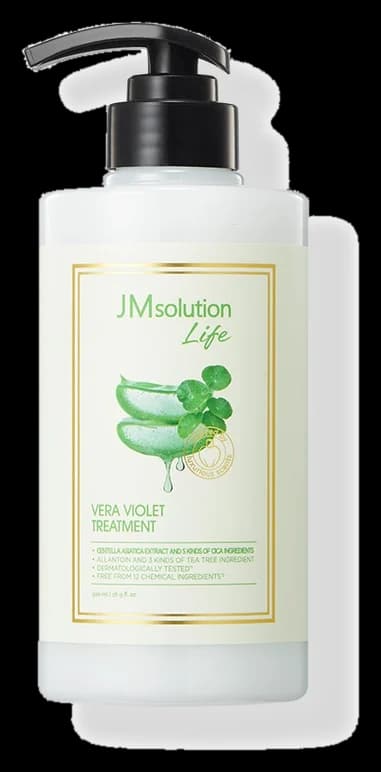

What the ingredients say
Read from the label order, stated amounts and each ingredient’s clinical evidence
Panthenol is in, but most products stating it at this place fell short of the study amount.
- fragrance
- 2 labelled fragrance allergens
Best-supported ingredient per concern
- Skin barrierPanthenolevidence B+likely too little
- DrynessGlycerinevidence B+likely too little
- LinesRetinyl Palmitateevidence Clikely too little
- Dark spotsAscorbic Acidevidence B+below study amount
- FirmnessAscorbic Acidevidence Cbelow study amount
Evidence-graded ingredients and how much is in
No amount is stated. Judging by 85 products that state it at this place on the label, the chance it reaches the amount studies used is about 11%.
Skin barrier B+ · Dryness C
No amount is stated. Judging by products that state an evidence-graded ingredient at this place on the label, the chance it reaches the amount studies used is about 5%.
Dryness B+ · Skin barrier B
No amount is stated. Judging by products that state an evidence-graded ingredient at this place on the label, the chance it reaches the amount studies used is about 5%.
Skin barrier B · Dryness B-
No amount is stated. Judging by 148 products that state it at this place on the label, the chance it reaches the amount studies used is about 3%.
Skin barrier C · Lines D
No amount is stated. Judging by 18 products that state it at this place on the label, the chance it reaches the amount studies used is about 2%.
Lines C
3 more evidence-graded ingredients
No amount is stated. Judging by products that state an evidence-graded ingredient at this place on the label, the chance it reaches the amount studies used is about 5%.
Skin barrier D
No amount is stated. Judging by 133 products that state it at this place on the label, the chance it reaches the amount studies used is about 0%.
Skin barrier C
It comes after a preservative the law caps at 1.4%, so it is at most 1.4% — short of what studies used (10–20%).
Dark spots B+ · Lines B · Firmness C
Amounts on the label
- Aloe Barbadensis Leaf Extract0.000095%trace (under 0.1%)
Korean law requires a product to state the amount of any ingredient in its name.
How this was read
Labels list ingredients above 1% from most to least, then those at 1% or less in any order. Everything after Phenoxyethanol, which the law caps at 1% or less, is read as 1% or less. A product filed with Korea's MFDS as functional is read as holding the notified amount of its efficacy ingredient when the label carries only one for that effect, and anything listed before an ingredient of known amount as holding at least that much. Amounts in the product name or official description are used only where the label order allows them. Where no amount is stated, the chance of reaching the study amount comes from other products that state the same ingredient at the same place on their labels. Evidence grades were set by reading each ingredient's studies.
- A
- several randomised trials or a meta-analysis
- B
- one or two randomised trials
- C
- uncontrolled or multi-ingredient studies
- D
- lab work or a record only
A reading of ingredient evidence and the label, not a guarantee that this product works.
Ingredients
Full ingredient list as published on the official product page, in descending order of content.
All 86 ingredients at a glance
Colours follow each ingredient’s use (CosIng functions); the bar counts names. Not amounts, not a safety score.
Aqua, Stearyl Alcohol, Cetyl Alcohol, Estimated 1% or less from hereParfum, Stearamidopropyl Dimethylamine, Cyclopentasiloxane, Behentrimonium Chloride, Dimethicone, Glycerin, Steartrimonium Chloride, Amodimethicone, Propylene Glycol, Trideceth-12, Cetrimonium Chloride, Arachidyl Alcohol, Myristyl Alcohol, Cyclotetrasiloxane, Panthenol, Trehalose, Aloe Barbadensis Leaf Extract950ppb, Centella Asiatica Extract, Centella Asiatica Extract, Allantoin, Asiaticoside, Madecassic Acid, Asiatic Acid, Madecassoside, Melaleuca Alternifolia (Tea Tree) Leaf Extract, Melaleuca Alternifolia Extract, Kunzea Ericoides Leaf Extract, Laminaria Japonica Extract, Betula Platyphylla Japonica Juice, Camellia Sinensis Leaf, Leontopodium Alpinum Water, Artemisia Princeps Extract, Calendula Officinalis Flower, Houttuynia Cordata Water, Glucose, Bacillus Ferment, Lactobacillus Ferment, Aspergillus Ferment, Maris Aqua, Ulmus Campestris Bark Extract, Glycine Max (Soybean) Seed Extract, Hydrolyzed Keratin, Biotin, Caffeine, Butylene Glycol, Camellia Japonica Seed OIL, Persea Gratissima OIL, Olea Europaea Fruit OIL, Argania Spinosa Kernel OIL, Helianthus Annuus Seed OIL, Lavandula Angustifolia (Lavender) Flower Extract, Monarda Didyma OIL, Mentha Piperita (Peppermint) Leaf Extract, 프리지어추출물, Chamomilla Recutita (Matricaria) Flower Extract, Rosmarinus Officinalis (Rosemary) Leaf Extract, Hydrolyzed Wheat Protein, 1,2-Hexanediol, Maltodextrin, Hydrogenated Phosphatidylcholine, Caprylic/Capric Triglyceride, Ethylhexylglycerin, Sucrose Stearate, Cetearyl Alcohol, Thiamine HCL, Pyridoxine, Cyanocobalamin, Riboflavin, Folic Acid, Menadione, Bioflavonoids, Ascorbic Acid, Tocopheryl Acetate, Retinyl Palmitate, Disodium Edta, Phenoxyethanol, Citric Acid, Lauryl Alcohol, Isopropyl Alcohol, Chlorphenesin, Coumarin⁎, Linalool⁎, Alpha-Isomethyl Ionone⁎
Tap a name to see what it does and the evidence
Declared fragrance allergens
The label marks these as fragrance allergens that must be declared. They are not impurities, and most people do not react to them.